Turn Photo Into Painting: Best AI Style Guide for Your Pictures
Have you ever looked at a favorite photo and wondered how to make it truly special? You want to turn it into a piece of art, but you're stuck on a crucial question: which painting style is right for my picture? The sheer number of options can feel overwhelming. Choosing the wrong style can hide your photo's best features, while the right one can transform an ordinary snapshot into an extraordinary masterpiece.
Finding the perfect art style for your photos can be tricky. That's why we've created this practical guide to help you turn a photo into a painting you'll love. Let's explore a straightforward approach to choosing the perfect style for your images. We’ll cover how your photo's composition, subject, and colors can point you toward the ideal artistic effect. Forget the guesswork; it's time to make informed decisions that produce stunning results.
With the right knowledge, you can unlock endless creative possibilities. The best part? You don't need any artistic skill or expensive software. You can experiment with all these styles and more using a simple and powerful online tool. Ready to see what your photos can become? You can try our free tool right now and follow along.
How to Choose Photo to Painting Styles: A Complete Guide
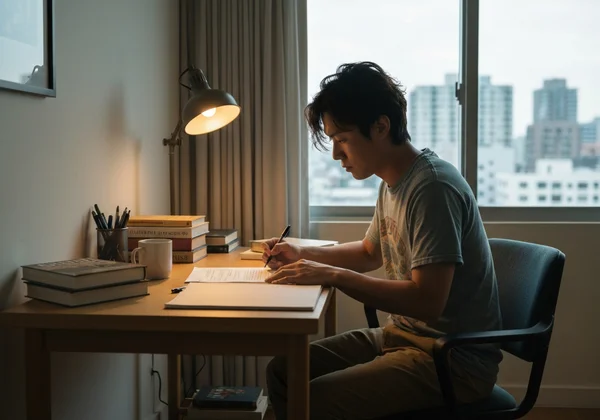
Before you choose a style, it helps to understand why some photos and art styles are a perfect match. It’s not just random; it's about synergy. The original photo provides the foundation—the shapes, subjects, and colors—while the AI painting style adds a new layer of emotion and texture. A successful transformation happens when the style enhances the photo's inherent qualities.
How Composition Dictates Style Compatibility
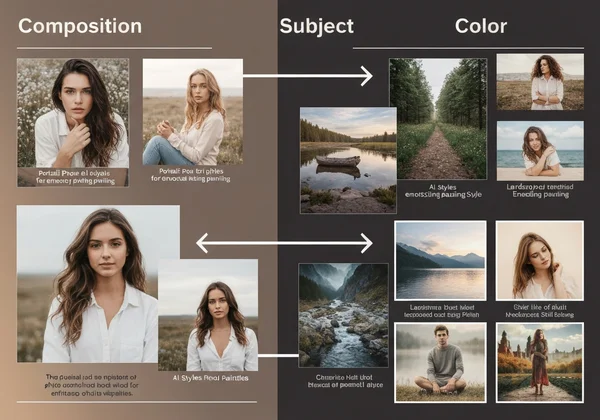
Composition refers to how elements are arranged in your photo. A photo with a clear focal point, like a single person or building, often works well with detailed styles. Think of styles that draw attention to that main subject, such as a sharp sketch or a classic portrait.
On the other hand, a photo with a busy, complex composition—like a bustling city street or a dense forest—might benefit from a more abstract or impressionistic style. Styles like Monet or a loose watercolor can beautifully blend complex details into a harmonious, emotional scene. Simple, minimalist photos with lots of negative space are perfect for bold, graphic styles like pop art or line art.
Why Subject Matters in Style Selection
The subject of your photo is perhaps the most important factor. What are you trying to capture?
- Portraits: For photos of people or pets, you often want to capture personality and emotion. Oil painting can add a timeless, dramatic feel. A sketch can highlight expressions with clean lines. For a fun, modern twist, an anime or cartoon style can bring a playful energy to portraits.
- Landscapes: Sweeping landscapes, sunsets, and seascapes are all about mood and atmosphere. Watercolor effects are perfect for capturing the soft, dreamy light of a sunrise. An oil painting style can add rich texture to mountains and forests, while a Van Gogh effect can turn a simple sky into a swirling, dynamic masterpiece.
- Architecture & Objects: Photos of buildings or still life objects often feature strong lines and shapes. A sketch or line art style can emphasize this structure beautifully. For a more artistic take, a cubist or abstract style can deconstruct the object into fascinating new forms.
The Critical Role of Color Schemes in Style Matching
Color sets the mood of your artwork. Your photo’s original color palette can guide your style choice. Photos with bright, vibrant colors work well with impressionistic or cartoon styles. Think of a field of flowers or a colorful market—these images feature bold hues that these styles celebrate.
In contrast, photos with muted, subtle colors or a monochrome (black and white) palette work exceptionally well with sketch or line art styles. These styles focus on form and contrast rather than color. A watercolor effect can also be a great choice for muted palettes, creating a soft, elegant look that feels both gentle and sophisticated.
Deep Dive into Popular AI Painting Styles
Now that we understand the basics, let's look at some of the most popular AI painting styles available. Knowing the strengths of each will empower you to make the perfect choice for your photo. With a tool like PhototoPainting.ai, you can easily switch between these styles to see which one brings your vision to life.
Oil Painting Photo Effects: When and Why to Use This Style
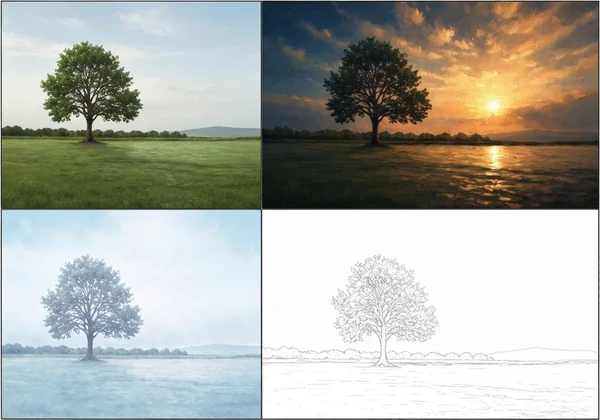
The oil painting style is known for its rich textures, deep colors, and dramatic feel. AI algorithms simulate the thick brushstrokes and layering of traditional oils, giving your photo a sense of weight and timelessness.
- Best for: Portraits, dramatic landscapes, and historical or classic-themed photos.
- Why it works: The texture adds depth and emotion, making subjects feel more present and impactful. It’s perfect for turning a family photo into a treasured heirloom or giving a landscape a grand, epic quality. If your photo has strong lighting and shadows, the oil effect will enhance that drama beautifully.
Watercolor Effects: Achieving Dreamy Translucency
Watercolor is all about light, transparency, and soft edges. An AI watercolor effect mimics the way pigments bleed and blend on wet paper, creating a dreamy, ethereal quality. It's a style that feels fresh, light, and often romantic.
- Best for: Landscapes (especially with water or sky), floral photos, soft-lit portraits, and travel snapshots.
- Why it works: The gentle, flowing nature of watercolor is ideal for subjects that are less about sharp detail and more about feeling and atmosphere. It can turn a simple photo of a beach into a serene memory or give a portrait a soft, delicate touch.
Sketch Styles: Emphasizing Form and Contrast
Sketch and line art styles strip a photo down to its essential forms. They focus on outlines, contours, and shading, converting your image into a hand-drawn piece. These styles are clean, classic, and incredibly versatile.
- Best for: Architectural photos, minimalist portraits, product shots, and any image with strong, clear lines.
- Why it works: By removing color, these styles force the viewer to focus on the subject's shape and structure. They are perfect for creating a sophisticated, artistic look from a simple photo. High-contrast images work particularly well, as the AI can easily identify the edges it needs to draw.
Anime and Cartoon Styles: Adding Playful Energy
Want to add a dose of fun and personality? Anime and cartoon styles reimagine your photo in a vibrant, animated world. These AI filters simplify details, bolden colors, and add characteristic features like large eyes or cel-shading to make your subject look like it jumped out of a comic book or animated show.
- Best for: Portraits of people and pets, social media profile pictures, and creating unique gifts.
- Why it works: This style is pure fun. It transforms reality into a playful fantasy, making it perfect for profiles that stand out or for creating a one-of-a-kind poster of your furry friend. It’s an instant way to inject joy and creativity into any photo.
Visual Case Studies: Before and After Transformations
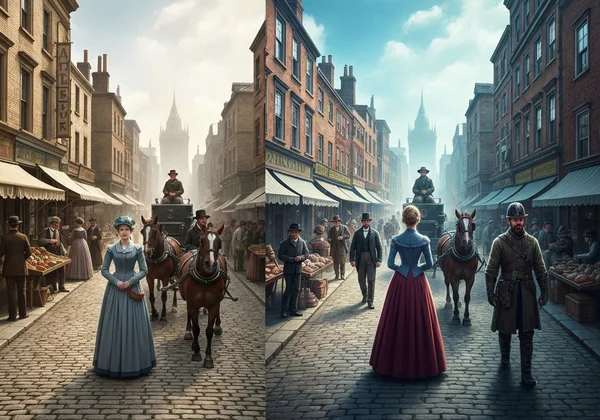
Seeing is believing. Let’s look at how different styles can completely change the feel of the same photograph. These examples show why experimenting is key to finding the perfect match.
Landscape Photos: Style Comparison Results
Imagine a photo of a mountain range at sunset.
- Oil Painting: This style would add dramatic texture to the rocky peaks and make the colors of the sunset deep and intense. The result is a powerful, majestic scene.
- Watercolor: The same photo transformed with a watercolor effect would become softer and dreamier. The sky's colors would blend gently, creating a serene and peaceful atmosphere.
- Van Gogh Style: Applying a master's style like Van Gogh would turn the sky into a swirl of energetic brushstrokes, giving the calm scene a new, dynamic life.
Portrait Transformations: Style Selection Impact
Now, consider a simple headshot of a person smiling.
- Sketch: This converts the photo into a classic, elegant drawing. It highlights the person's expression and features without the distraction of color.
- Cartoon: The same portrait becomes fun and animated. The features are simplified, and the colors are brightened, creating a playful avatar perfect for social media.
- Oil Painting: This style gives the portrait a timeless, formal quality, as if it were a commissioned piece hanging in a gallery.
Still Life and Object Photography: Best Style Matches
Finally, let's take a photo of a simple bowl of fruit on a table.
- Line Art: This style emphasizes the shapes of the fruit and the bowl, creating a clean, modern, and artistic look. It’s minimalist and chic.
- Watercolor: Applying a watercolor effect can make the fruit look juicy and fresh, with soft colors that bleed into one another.
- Oil Painting: This style would give the fruit a rich, textured appearance, similar to the classic still life paintings by old masters.
Advanced Tips for Style Selection
Once you've mastered the basics, you can start using some advanced techniques to create even more unique and personal art. Don't limit yourself—play with different combinations and see what creative surprises emerge.
Combining Multiple Styles for Unique Effects
While our tool applies one style at a time, you can create a unique composite yourself. For example, you could turn a photo into a sketch first, download it, and then upload the sketch image and apply a light watercolor effect. This layering can produce a mixed-media look that is truly one-of-a-kind. It requires a bit of creativity but can lead to stunning results.
Seasonal and Thematic Style Recommendations
Match your style to the season or a specific theme. For autumn photos with warm colors, an oil painting style can enhance that cozy, rich feeling. For bright summer beach photos, a vibrant cartoon or light watercolor style works wonders. For holiday photos, a classic sketch can create a timeless greeting card look. Thinking thematically helps narrow down your choices and creates a more cohesive final image.
Avoiding Common Style Selection Mistakes
One of the biggest mistakes is choosing a style that fights with the photo. For example, applying a very detailed oil painting style to a blurry, low-resolution photo will likely result in a messy output. Similarly, using a sketch style on a photo with very low contrast may not produce clear lines. Always start with a clear, well-lit photo for the best results. And remember, not every style works for every photo—and that's okay! The goal is to find the one that does.
Start Your Artistic Journey
Choosing the right AI painting style is an art in itself. By considering your photo’s composition, subject, and color, you can move from guessing to making confident, creative choices. We've explored how oil painting adds drama, watercolor creates dreaminess, sketches offer elegance, and cartoon styles inject fun. The visual case studies show just how powerful a single style choice can be.
The most important takeaway is to experiment. The beauty of AI art is the freedom it gives you to explore without risk. There's no right or wrong answer—only what you find beautiful. Your journey to creating incredible art from your photos starts with a single click.
Are you ready to transform your own pictures? Go to PhototoPainting.ai and upload a photo. Try out the different styles, see what works, and discover the artist within you. It's free, fast, and incredibly fun.
FAQ Section
How do I know which painting style will work best for my photo?
Start by looking at your photo's subject and mood. For dramatic portraits or landscapes, try Oil Painting. For soft, dreamy scenes, Watercolor is a great choice. For images with strong lines, like architecture, a Sketch style works well. The best way is to simply experiment with a few options and see which one you like most.
Can I combine multiple styles in one AI painting?
Directly on most tools, you typically apply one style at a time. However, you can create a mixed-media effect by downloading the result of one style (e.g., a sketch) and then re-uploading that image to apply another style (e.g., a light watercolor). This is an advanced technique for creating unique looks.
What's the most popular AI painting style right now?
Popularity often depends on trends, but classic styles like Oil Painting and Watercolor are always in high demand for their timeless appeal. For social media, Anime and Cartoon styles are extremely popular because they create fun, eye-catching avatars. You can explore all these popular styles on our platform.
How does AI determine which elements to emphasize in each style?
The AI is trained on thousands of images of a particular art style. It learns the typical features—like the brushstrokes of oil paint or the clean lines of a sketch. When you upload your photo, our AI analyzes the content—shapes, colors, and textures. Then, it intelligently re-renders your image using the stylistic rules it has learned, emphasizing elements that best match that artistic style.
Are there any photo types that don't work well with AI painting styles?
Very low-resolution, blurry, or extremely dark photos can be challenging for the AI to interpret, which may lead to less-than-ideal results. For the best outcome, always use a clear, well-lit photo where the main subject is easily visible. That said, sometimes even "imperfect" photos can yield surprisingly artistic and abstract results.